In partnership with


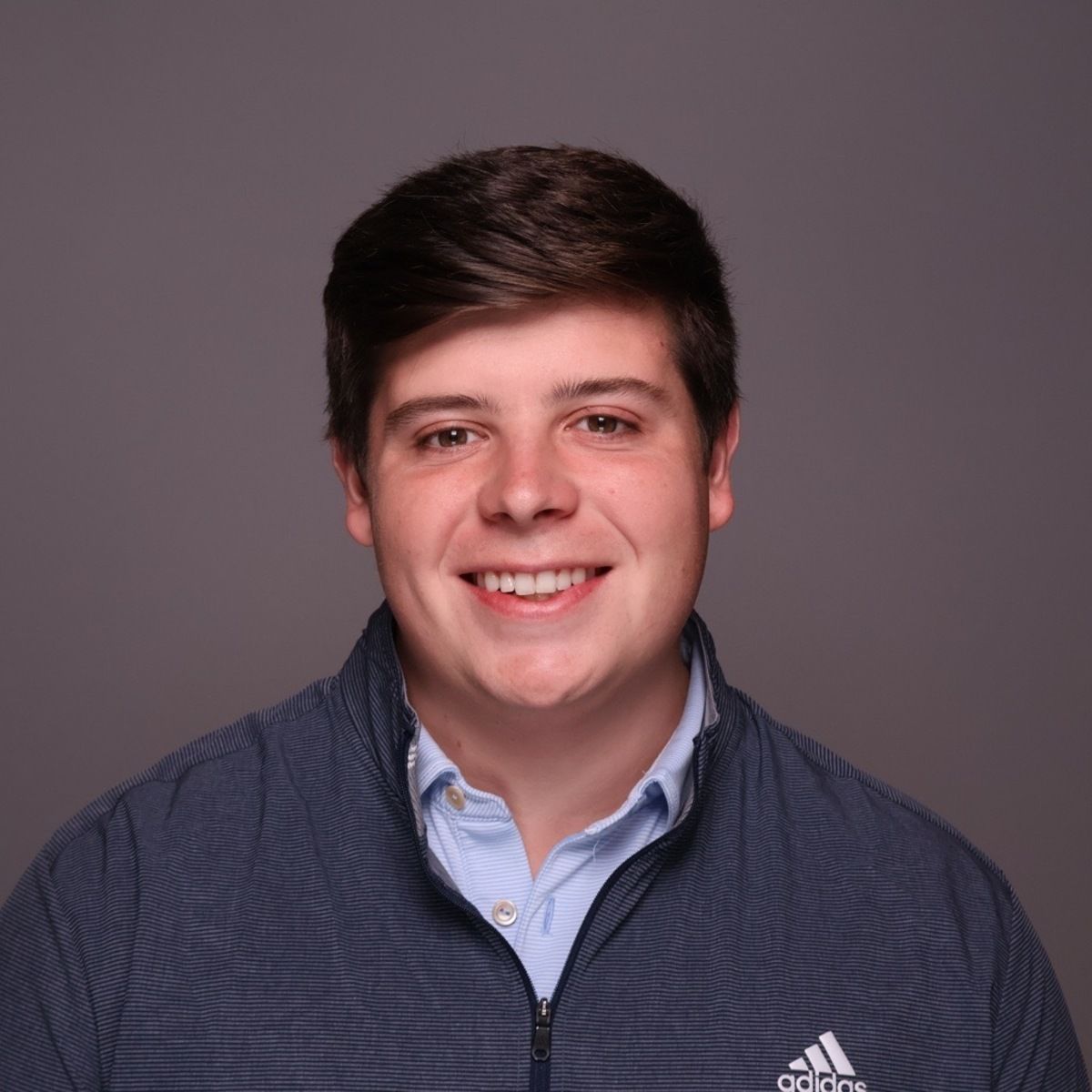
Meet Taylor Mowid.
If you’ve watched College GameDay, you’ve seen Taylor’s work, whether you realized it or not.
Every Saturday, millions of fans tune in to one of the most recognizable shows in sports. The branding, the signage, the on-site activations, and the logistics that somehow work seamlessly across a different campus each week are all part of a carefully executed experiential strategy. Taylor sits directly in the middle of that execution.
But like most people who end up working on the biggest stages in sports, his path there was built long before he ever stepped onto a College GameDay set.
Taylor grew up in Carmel, Indiana, and attended the University of Kentucky, where he quickly realized that breaking into sports would require more than just interest. Kentucky didn’t have a traditional sports management pipeline, which meant Taylor would need to be proactive in building experience on his own.
After his freshman year, Taylor completed a non-sports marketing internship, which helped him build a professional foundation and confirm that he wanted a career rooted in fast-paced, people-driven work. Going into his sophomore year, he shifted his focus fully toward sports and began applying for summer internships back home, across Indiana.

Taylor’s Career Path
That search led him to a summer internship with the Indiana Pacers. While he had a few loose hometown connections, the process was largely cold. What mattered most was preparation, persistence, and being willing to learn. During his time with the Pacers, Taylor worked on marketing research tied to fan engagement and attendance, gaining exposure to how teams use data to inform real business decisions.
That experience became a key building block. It gave him credibility, confidence, and a clearer understanding of how professional sports organizations operate behind the scenes.
Taylor leveraged that momentum into a multi-year role with Kentucky Athletics, where he worked across communications, social media, and marketing. Working within one of the most storied basketball programs in the country gave him access to elite-level operations and standards from day one.
The role required real commitment. Game days started early and ended late, and being part of athletics meant prioritizing the work over typical college social experiences. But in return, Taylor gained something far more valuable. He worked closely with high-level staff, supported major events like Big Blue Madness, NCAA Championships, and selection Sunday at Coach Cal’s house, building a year-round experience that few students ever get access to.
Over time, he transitioned internally from communications into marketing and game operations, eventually taking on leadership responsibilities for basketball game days. Coordinating with game ops teams, production partners, and in-venue stakeholders laid the groundwork for the type of execution-heavy work he does today.
Alongside his time at Kentucky, Taylor also completed a ticket sales internship with the Cincinnati Reds during the summer of his junior year. A friend from Kentucky had completed the internship the previous summer, which opened the door for Taylor to interview for the role. The interview process was daunting - multiple rounds of group interviews where Taylor felt the pressure to stand out, but ultimately, he landed the role. While baseball wasn’t his personal passion, the experience gave him exposure to revenue generation, client communication, and the realities of entry-level sports roles. It added another important layer to his skill set and perspective.
Taylor graduated in 2020, right as COVID shut down the sports industry. Like many in his class, opportunities disappeared overnight. Interviews were canceled. Hiring froze. With sports on pause, Taylor made a practical decision to take a role outside the industry, working in insurance and auditing in Orlando. While it wasn’t where he envisioned himself long-term, he made the most of the situation and learned how to operate in a corporate environment, manage deadlines, and build credibility with clients. He was promoted multiple times and developed skills that would later translate directly into agency life.
But still, Taylor had that itch. He had to get back to something he was passionate about. He had to get back to sports.
What is an Experiential Marketing
Experiential marketing focuses on how a brand shows up in the real world. It’s the practice of building and executing live brand experiences that create meaningful, in-person connections with fans and consumers. In sports, experiential marketing sits at the intersection of brand strategy, partnerships, event operations, and fan engagement, translating sponsorship agreements into moments people can see, feel, and remember.
The role often requires wearing many hats. One day might involve planning logistics, reviewing layouts, and coordinating with partners. The next could mean solving problems on site, adjusting plans in real time, and ensuring a brand is represented accurately in front of thousands or millions of fans. Experiential marketing is fast-paced and highly visible. Those who succeed are organized, adaptable, and calm under pressure.
As the industry began to reopen, he applied broadly again, much like he had during college. One of those applications was to Octagon, an agency he had applied to before without any luck, but this time was different. After multiple rounds of interviews, he joined the production team in a project-based role that exposed him to a wide range of brands, properties, and internal teams across the company.
That breadth proved invaluable. Taylor raised his hand for major events, supported new business initiatives, and built relationships across accounts. Over time, those relationships and experiences positioned him for the opportunity he had been working toward. College GameDay.
Today, Taylor works on the Home Depot account, helping manage and execute the brand’s sponsorship of College GameDay and The Final Four. His team is responsible for ensuring contractual assets are fulfilled, branding is executed correctly, and logistics run smoothly across a new campus every week.
From signage placement to on-air visibility to coordinating the iconic GameDay bus, the margin for error is slim. The work is highly visible, fast-moving, and constantly evolving.
Taylor’s path is a reminder that careers in experiential marketing aren’t built overnight. They’re built by stacking experiences, being willing to take on responsibility early, and learning how to execute under pressure long before the spotlight arrives. And if you do it right, you might just end up with one of the coolest jobs in sports. Taylor did.
Q&A: Landing a job in Experiential Marketing with Taylor Mowid

Q. Your work on College GameDay is highly visible and executed in real time, with very little margin for error. How does that level of visibility change the way you prepare, make decisions, and execute on site?
A. Preparation is everything. Just like championship-winning teams, you win games later in the season because of the work put in during the offseason. That is where success starts. For us, that offseason work shows up in detailed planning, contingency scenarios and tight alignment with ESPN/partners before we ever arrive on site. When issues arise, which they always do, we’re able to make confident, quick decisions because the groundwork has already been laid. That preparation allows us to execute calmly and consistently, even with very little margin for error.
Q. Your first full-time role out of college was outside of sports, working in insurance during COVID. What advice would you give to someone trying to transition from a non-sports role into the sports industry today?
A. COVID was a tough time for a lot of people. For some, it meant losing a job. For others, it meant working in an industry they had no real interest in (as was the case for me). And for many, it meant losing a loved one. But for a lot of us, it also became a moment of clarity, a chance to reset, refocus, and figure out what we really wanted to do moving forward.
My advice to those wanting to move into the industry from a non-sports role is simple and often overlooked. Seek connections everywhere you go, not just LinkedIn. You never know where a short conversation in an airport, on a flight, or at a coffee shop might lead. It's all about making sure 1) They know who you are, 2) They have a general understanding of what you want to do, and 3) You follow up and check in every few months. My last tidbit of advice is to dive deeper than just the initial connection (whether you connected in person or on LinkedIn). Take the time to find their director and others on their team so that when it’s time to interview, you understand the team dynamic and can reference that you’re already tapped-in/familiar with the group.
Keep your eyes and ears open, often the biggest opportunities show up where you least expect them.
Q. When you’re evaluating candidates for experiential marketing roles, what traits or signals consistently stand out to you, and what tends to separate strong candidates from the rest?
A. When evaluating candidates I lean heavily on adaptability traits. Events are live, unpredictable and high-pressure. I want to see how you handle being thrown into the fire, how you assess the situation, find the extinguisher and ultimately rebuild the house. Candidates who have experience thinking on their feet and pivoting nonchalantly when things aren't going well separate themselves immediately.
Key Takeaways
1. Sacrifice early will compound later
Missing tailgates, long game days, and late nights aren’t glamorous, but those sacrifices often lead to opportunities that casual involvement never will. Taylor’s willingness to prioritize the work early in his career laid the foundation for the roles and responsibilities he holds today.
2. Raise your hand and earn trust
Taylor didn’t wait to be asked. He volunteered for major events, supported teams beyond his core role, and consistently showed he could be relied on. In experiential marketing, trust is built by showing up, taking ownership, and delivering when it matters.
3. It’s never too late to chase your passion
Detours don’t disqualify you. Taylor’s time outside of sports gave him skills that ultimately helped him break back in and succeed. What matters most is staying committed to the long game.
Feeling Inspired? Check out these opportunities.
Closing Thoughts
Thank you for reading this week’s edition of So You Want to Work in Sports. I appreciate you being part of this community.
If you have ideas, feedback, or future guest suggestions, feel free to reach out at [email protected].
If you want more hands-on support as you navigate the start of your career within sports, book a 1:1 session with me here. The sooner you start preparing, the more confident you will feel when opportunities come your way.
Win the week!
-Ethan
Want more from Taylor?
Connect on LinkedIn
Follow on TikTok (College GameDay Vlogs!)
Follow on Instagram
Media Leaders on AI: Insights from Disney, ESPN, Forrester Research

The explosion of visual content is almost unbelievable, and creative, marketing, and ad teams are struggling to keep up. Content workflows are slowing down, and teams can't find the right assets quickly enough.
The crucial question is: How can you still win with the influx of content and keep pace with demand?
Find out on Jan 14, 2026, at 10am PT/1pm ET as industry leaders—including Phyllis Davidson, VP Principal Analyst at Forrester Research, and former media executive Oke Okaro as they draw on their deep media research and experience from ESPN, Disney, Reuters, and beyond.
In the webinar, "The Future of Content Workflows: How AI is Powering the Next Wave," you’ll learn:
The forces reshaping content operations
Where current systems are falling short
How leading organizations are using multimodal AI to extend their platforms
What deeper image and video understanding unlocks for monetization
Get clear insight and actionable perspective from the leaders who built and transformed top media and entertainment organizations.