In partnership with


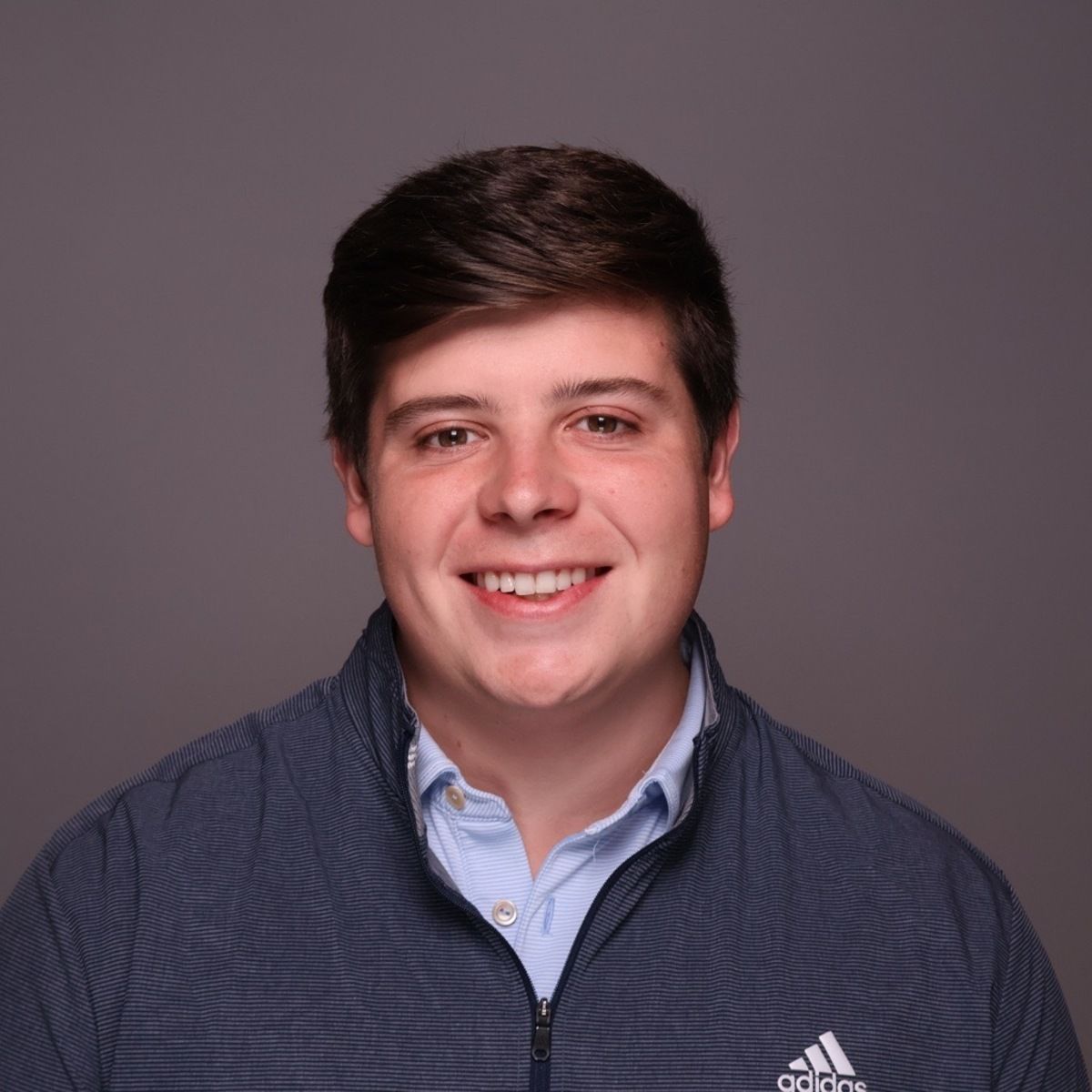
Meet Collin Murray.
Collin’s career has touched some of baseball’s most promising young talents. Jackson Holliday, Heston Kjerstad, Dylan Beavers, Mason Black - the type of prospects who shape the future of an organization. But it didn’t always look like Collin was going to be a baseball operations star.
Collin grew up loving baseball but struggled to find the field in high school. Despite those struggles, he found an opportunity to play in college at McGill University in Montreal, Canada. After two years, he transferred to Elon University with hopes of continuing to play at an even higher level. However, while playing that summer Collin suffered an injury that would end his playing days for good.
With playing behind him, he needed a new direction in the sport. Now at Elon, he switched his major to sports management and International Business affairs and joined the school’s sports management club. It was that program that introduced him to the business side of sports and, most importantly, took him on a class trip to the MLB’s Winter Meetings. This was the first time he saw the industry from the inside.

Collin’s Career Path
The MLB Winter Meetings are an annual gathering where team executives, scouts, agents, and industry professionals meet to discuss roster moves, conduct interviews, and hire for open positions (Read more here). Having the opportunity to attend the meetings his senior year was incredibly valuable for Collin, so much so that he continues to go back on a yearly basis to connect with other professionals in the game.
One of the highlights of the event is the job board, filled with teams looking to hire the next wave of baseball talent. When Collin went that first year, most of the positions were focused on the business side of baseball - marketing, sales, operations, etc. (not what he wanted to do) - but he saw the opportunity to get his foot in the door and took it. He interviewed and was offered a sales position with the Miami Marlins, and after his graduation in May, kicked off his career in professional baseball.
Many people in Collin’s position, wanting to break into the baseball side of the business, treat sales as a dead end, but Collin viewed it differently. The job got him into Major League Baseball, taught him how to communicate clearly, how to listen, how to understand what people need, and how to get buy in. Even though it was not his dream career path, those skills would later become essential in coaching and player development.
But even with the positives, he still knew he wanted to find his way over to baseball side. So, six months into the role, Collin resigned from the Marlins and began preparing for the next year’s winter meeting.
Collin spent the next month immersing himself in baseball analytics and statistics. diving deep into the data side of the baseball world and reintegrating himself into the game. Now with a year under his belt, he went back to the Winter Meetings with a different plan - be proactive. He reached out to teams and set up meetings ahead of time so that he could make the most of his time onsite. That outreach paid off and after the winter meetings the Angels hired him into a Minor League video role.
Six days after officially starting his new role, COVID shut the sport down. The season and his new opportunity disappeared, but Collin did not let the momentum disappear with it. That summer, he reached out to a former coach in the South Florida Collegiate League (the same league he got hurt at when transferring to Elon), asked if he could help in any capacity, and was brought on as an assistant coach - his first true coaching job. Because it was the only league open during Covid, he got to work with high level players and put his data & analytics research into practice. The summer lit a fire under Collin and confirmed to him - “I want to be a coach.”
As the summer was winding down, Collin began contacting universities, sharing his analytics work and seeking opportunities to continue progressing in coaching. Georgia Southern was impressed with his work and offered him the opportunity to join the staff as a graduate assistant. In his role he helped build their analytics department, installed their TrackMan system, and worked directly with the pitching staff on player development. This was where he learned how to combine his technical skills with the people skills he had developed in sales, presenting his insights in a way that players and coaches could understand, buy into, and execute on.
While at Georgia Southern, he also continued reaching out to MLB clubs. He emailed the Detroit Tigers in the spring of 2021, shared a project he had built, and asked for feedback. Those conversations eventually turned into an offer, and after his first season with Georgia Southern came to a close, the Tigers brought him in mid-season as a Baseball Information Assistant, working in video for the Tiger’s rookie ball affiliate. The pitching coach he was working with became a mentor to Collin, pushing him to go beyond just the capture of the video, but to start dissecting it and highlighting the takeaways from what he was seeing.
That experience gave him the confidence to land his next opportunity. The Orioles reached out about a Development Coach role (full uniform now), and Collin spent two seasons working with many of the organization’s top prospects - Jackson Holliday, Dylan Beavers, Heston Kjerstad. He had made it. He served as the bridge between analytics and on field coaching, helping players interpret data and apply it in real time. The role accelerated his growth and expanded his understanding of what it takes to develop big league players.
What is Baseball Operations?
Baseball operations is the department responsible for building, developing, and supporting the on-field product. It includes everything that impacts player performance, roster construction, and organizational strategy.
Teams rely on baseball operations staff to evaluate talent, interpret data, support player development, build systems, and help the coaching staff make informed decisions. Roles range from scouting and analytics to player development, coaching, and strategic planning.
Because the work touches both the front office and the clubhouse, baseball operations is one of the most competitive entry points in sports. It blends technical skills, communication, and a deep understanding of the game.
While working with the Orioles, something unexpected began taking shape. Collin started teaching three students coding and analytics over Zoom. All three were later hired into pro baseball. Then he ran a cohort with eight mores students and seven landed roles in the game. What began as a side project quickly became Athlete Lab, a platform that helps people break into baseball ops through coding, data visualization, and baseball specific application. He began investing time in recording videos, making courses, and building out programs that were proven to help his students land roles in baseball. A business was born.
In 2023, he returned to the Tigers as a Minor League pitching coach on a two-year contract for the 2024 and 2025 seasons. The role was a natural progression and got him back into pitching, where he excelled, but his growing business continued to demand more and more of his time. So, when Siena College offered him the chance to coach while also giving him the flexibility to run Athlete Lab, he accepted. He spent a year working with the team’s pitchers, but as his business continued to grow, he made the decision to step away to give Athlete Lab his full attention.
Over the past three years, Collin has grown Athlete Lab into a true developmental pipeline for the sport. He has built a team of professionals to support the business, partnered with universities to integrate his programs into their academic and athletic departments, and helped his students land roles at more than 25 unique organizations. With his team built around him, Collin has begun exploring a return to coaching, but no matter where he ends up, he plans to continue helping the next generation break into the game. Legendary.
Q&A: Landing a job in Baseball Operations with Collin Murray

Q. The MLB Winter Meetings played a significant role in the launching of your sports career. What would be your advice for maximizing the experience at industry events?
A. The Winter Meetings changed my career because I treated them like an opportunity to learn, not just a chance to hand out résumés. My biggest advice is to be intentional. Reach out to people ahead of time and ask if they can spare five minutes for a quick coffee. Be honest about the career path you want and ask for their perspective. Most people who work in baseball are open to helping anyone who shows they are serious about improving.
The other key is to stay present. The best opportunities often happen in the hallways late at night or over an early morning conversation in the lobby. If you show up prepared, stay curious, and take every small meeting you can, you will leave with real connections and direction.
Q. What are some of the skills and lessons that you learned working on the business side of the sports industry that have translated to your work on the sporting side?
A. Working on the business side taught me how to communicate clearly, prioritize what matters, and deliver consistently. Those skills became even more valuable on the field. In player development, information only matters if you can explain it in a way a player or coach can use right away. Running a business also forces you to solve problems quickly and manage people with clarity, which translates directly to coaching environments. The combination of both worlds helped me approach baseball with structure, process, and a mindset focused on execution.
Q. What is the piece of advice you find yourself giving most frequently to the students and young professionals you work with through Athlete Lab?
A. The advice I give most often is simple: do not wait for permission to start. You do not need a job title to begin working in baseball. Build projects, analyze players, share your work, and show people how you think. When you take action on your own, you create momentum and stand out immediately. The students who move the fastest are the ones who build proof of skill long before they ever interview for a role.
Key Takeaways
1. There is no wrong starting point
Collin took a sales role to get inside the league and then worked his way toward the baseball side. Your first role doesn’t need to be your dream job - get in the door.
2. Keep learning
Studying the game, learning analytics, and evaluating the video he captured, Collin consistently pushed beyond what his roles required so he would be ready for the opportunities that came next.
3. Make the complex simple
Your work will be most valuable when people understand it. Whether it’s with the players your coaching, or your fellow coworkers, prioritize communicating your insights at a digestible level.
Feeling Inspired? Check out these opportunities.
-Baseball Career Conference by SMWW (In Orlando during the MLB Winter Meetings)
Closing Thoughts
As always, thank you for reading through this week’s edition. I hope you found some value in it that you can apply to your own career.
If you have any feedback, a guest recommendation, would like to be featured yourself, or have any questions, please email me at [email protected].
Win the week!
-Ethan
Want more from Collin?
-Connect on LinkedIn
-Kick start your career in baseball operations with Athlete Lab
Behold the power of beehiiv

This newsletter? It’s powered by the platform built for growth, monetization, and jaw-droppingly good reader experiences.
From sponsorships that actually pay you fairly to referral programs that grow your list on autopilot, beehiiv gives publishers, creators, and writers the tools to grow their newsletter like never before. And yeah, it is just that easy.