In Partnership With


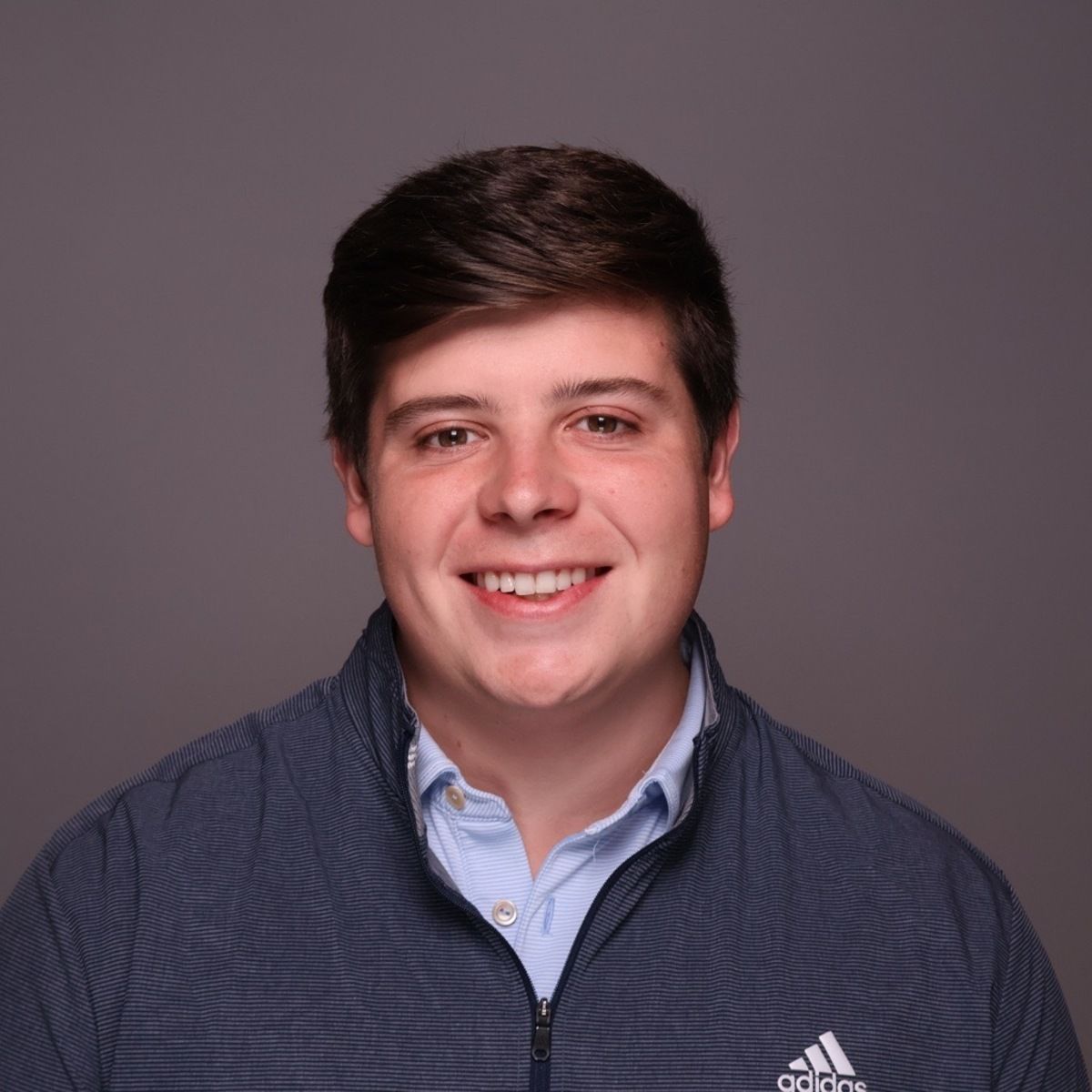
Meet Diego Hurtado.
Diego Hurtado came to the United States from Bogotá, Colombia with a very clear goal: to become a professional soccer player. Before arriving in the U.S., he had already been training at a high level and was close to signing a professional contract in Colombia. When his family moved to Miami during his teenage years, Diego suddenly found himself navigating a new country, a new language, and an entirely different soccer system.
On the field, the transition was relatively smooth. Soccer had been a constant in his life growing up, and his ability quickly stood out among his peers. The bigger challenge came in the classroom. While Diego attracted interest from Division I programs, the academic requirements and language barrier made the recruiting process difficult to navigate. Ultimately, his test scores prevented him from playing at that level, but he found an alternate path at Thomas University, an NAIA school in South Georgia.
College wasn’t easy for Diego. He was studying in a second language, adapting to life in a small town far from home, and balancing the demands of college soccer with academic expectations. Assignments that took classmates an hour often took him much longer as he translated material and worked through unfamiliar concepts. Still, he remained focused on the opportunity in front of him, excelled on the pitch, completed his degree in criminal justice and continued progressing toward his dream.
After graduation, Diego continued his journey into the lower divisions of the American soccer pyramid. His career included time with organizations such as the New York Cosmos and Las Vegas Lights FC, along with other stops across the country as he searched for a stable opportunity at the professional level. Like many players navigating these leagues, the journey was characterized by constant movement and shifting opportunities, always chasing the next contract.
Later in his playing career, Diego also spent time competing in the underground soccer scene, a network of highly competitive amateur leagues and tournaments in cities like Miami and New York where former professionals and elite amateurs compete for match payments and prize money. It was within this environment, surrounded by players and teams deeply embedded in the game, that an unexpected opportunity appeared.

Diego’s Career Path
One day, while playing in Miami, a league organizer approached Diego with a problem. His uniform supplier in Colombia had stopped responding, and several teams still needed kits for the upcoming season. He asked Diego if he knew anyone who could produce custom uniforms.
Diego, of course, said yes.
In reality, he had never produced a soccer uniform before, and didn’t know anyone else who did either. What he did have was a connection in Colombia. His aunt owned a small clothing operation that specialized in making pajamas. Diego called her to explain the situation and asked if it would be possible to manufacture soccer jerseys. She agreed to give it a shot.
The first order was for roughly one hundred uniforms. When the shipment arrived, hand delivered by Diego himself, the quality exceeded expectations and the teams were impressed. Word spread quickly within the local soccer community, and other teams began reaching out with similar requests.
And just like that, a small favor quietly began turning into a business.
At first, Diego partnered with that same league organizer who would handle the design side while Diego focused on production, sales and relationships within the soccer community. But as demand grew, the arrangement began to slow things down. Teams were reaching out faster than designs could be produced, and Diego started losing potential clients simply because the process could not keep up.
Rather than limit his business opportunity, Diego decided to bring the design work in house.
Without any formal background in design, Diego began teaching himself how to use design software through online tutorials. Early mornings were spent experimenting with programs like Photoshop and building the technical skills needed to create custom kits. It took a little time, but soon Diego was producing designs with expertise, opening the door for him to make the big leap - leaving his partner to launch his own venture.
Launching a company brought an entirely new learning curve. Diego began working through the process of trademarks, branding, and company formation while continuing to sell uniforms within the soccer communities he knew best. After an early naming attempt fell through during the trademark process, he began searching for something that better reflected his own identity and background.
Enter Diaza, a word rooted in Indigenous Colombian language that represents qualities such as resilience, leadership, and strength. The meaning resonated deeply with Diego and reflected the journey that had brought him to this point.
What is an Diaza?
Diaza is a word derived from the Colombian language that represents passion, endurance, and hard effort. For founder Diego Hurtado, the term captured the mentality that shaped both his playing career and the company he would eventually build.
After growing up in Bogotá and pursuing professional soccer opportunities across the United States, Diego saw firsthand how much identity and culture are tied to the game. When he began building his company in 2018, he wanted the brand to reflect that same mentality. Diaza was chosen to represent more than just apparel. It represents a mindset centered on resilience, daily improvement, and the belief that teams, communities, and individuals can push beyond obstacles together.
Today, Diaza Football operates as a soccer apparel and design company serving clubs, academies, and organizations across the United States and internationally. The company focuses on custom uniforms, training gear, and merchandise that allow teams to build a visual identity around their culture and story. Rather than simply producing kits, the brand aims to help organizations represent who they are both on and off the field.
With the brand established, Diego moved back to New York in 2021 and began focusing on scaling the company. Similar to Miami, Diego and Diaza found success in the underground soccer scene of New York. From there, the brand gradually expanded into youth academies, UPSL clubs, and organizations operating across multiple levels of the U.S. soccer pyramid.
As demand increased, the company expanded its offerings beyond custom uniforms to include training apparel, travel gear, and full design support for clubs looking to build stronger visual identities. The business also began growing internally, as Diego brought on designers, sales staff, and operational support to keep up with the expanding client base.
While Diaza Football continues to scale, Diego’s perspective on the business remains rooted in the game itself. Having spent years navigating the soccer ecosystem as a player, he understands the culture and community that exist within clubs at every level of the sport. That background has shaped the company’s philosophy, focusing not only on providing apparel but also on helping teams represent their identity and tell their story through their brand.
This wasn’t the path that Diego envisioned when he first came to the United States. At that point what came after the playing days wasn’t even a thought in his mind. But if it was, it's hard to imagine that he could have dreamed up a story as great as this one. Through his work with Diaza, Diego is impacting football across the globe - the United States, South America, Europe, Asia. His next goal, designing kits for a national team on the World Cup stage. I wouldn’t bet against him.
Q&A: Building a Football Brand from Scratch with Diego Hurtado

Q. You came to the United States from Colombia chasing the dream of playing professionally, and that path was anything but straightforward. How did those early challenges shape the way you lead Diaza today?
A. Coming to the United States from Colombia to chase the dream of playing professionally was one of the most defining experiences of my life. The path was far from easy. I arrived with big ambitions but quickly realized that talent alone wasn’t enough, you have to deal with uncertainty, financial pressure, cultural adjustment, and moments when things don’t go as planned.
Those early challenges shaped how I lead Diaza today in several ways.
First, they taught me resilience. In sports, you quickly learn that setbacks, injuries, missed opportunities, or unexpectedly closed doors, are part of the journey. That mindset translates directly into entrepreneurship. Building Diaza has required the same persistence: continuing to move forward even when things take longer or become harder than expected.
Second, that experience gave me empathy for the athlete’s journey. Diaza isn’t just a sportswear brand to me, it represents the grind that many athletes go through behind the scenes. Because I lived that reality, I try to build products and a brand that genuinely reflect the athlete’s mentality: discipline, ambition, and resilience.
Finally, it shaped how I think about opportunity. Coming to the U.S. forced me to be resourceful and create opportunities rather than wait for them. That same mindset drives how I approach Diaza, building something meaningful from the ground up and creating a platform that inspires others who are chasing their own goals.
In many ways, the struggles from those early years didn’t just prepare me for business, they became the foundation for the culture and purpose behind Diaza.
Q. You built Diaza without any formal background in design, branding, or apparel production. What advice would you give to a student or young professional who wants to break into a field where they do not have formal training, and how should they go about learning those skills on their own?
A. Nowadays, with tools like YouTube and AI, you can learn almost anything you set your mind to. The knowledge is out there—the real challenge is putting in the time and having the discipline to keep improving. I strongly believe in the power of compounding: when you work on something consistently for a long period of time, those small efforts eventually add up and pay off. Diaza and my own journey are proof of that.
My advice would be to start something today and give it a real try if you truly believe it’s the right path for you. Don’t let what other people think—even your parents—stop you. If you’re going to do it, go all in. Don’t do it halfway. Commit fully and give it your best effort so you can truly find out whether it’s for you or not. Most of the time, if you stay consistent and disciplined, you’ll eventually find your answer.
Q. Diaza continues to grow from an apparel brand into a broader ecosystem for clubs and players. As you build your team, what qualities and traits do you look for most when bringing in new people to help grow the company?
A. I don’t really focus on titles or big names. I’ve worked with people who had great résumés—some worked out and some didn’t. What matters more to me is the person.
I look for how hungry someone is to grow and how willing they are to give their all, no matter the situation. I value people who are driven, resilient, and truly believe in what we’re building. At the end of the day, belief in the mission and the willingness to work hard matter more to me than any title.
Key Takeaways
1. Say Yes!
Diego’s journey to building Diaza started by saying yes to opportunities that were far from guaranteed. Moving to the United States, navigating language barriers, playing at the collegiate level, and chasing professional opportunities across multiple leagues all required stepping into the unknown. Those experiences created the foundation for the perspective and resilience that would later shape his company.
2. Create your own opportunity
Not every career path unfolds exactly as planned. When Diego recognized an opportunity to combine his experience in soccer with an entrepreneurial vision, he built Diaza. What started as an idea has grown into a brand working with clubs and organizations across multiple levels of the game. Sometimes the next step in your career is not a job posting. It is something you build yourself.
3. Keep learning beyond the field
Throughout his playing career, Diego continued developing skills beyond soccer. From understanding apparel design and manufacturing to learning the business side of sport, he consistently looked for ways to expand his knowledge. For students and young professionals, that mindset is critical. Your formal education may open the door, but the skills you develop outside the classroom often determine how far you can go.
Feeling Inspired? Check out these opportunities.
Closing Thoughts
Thank you for reading this week’s edition of So You Want to Work in Sports. I appreciate you being part of this community.
If you have ideas, feedback, or future guest suggestions, feel free to reach out at [email protected].
If you want more hands-on support as you navigate the start of your career within sports, book a 1:1 session with me here. The sooner you start preparing, the more confident you will feel when opportunities come your way.
Win the week!
-Ethan

Diaza Football is a custom sportswear brand built around the culture of the game and the communities that keep it growing. Founded by former professional player Diego Hurtado, Diaza works with hundreds of clubs, academies, and organizations across the United States and beyond to create uniforms that reflect each team’s identity. From grassroots programs to professional clubs, the focus is on thoughtful design, accessible production, and strong relationships with the teams we serve.
Learn more about Diaza and the community behind the brand at diaza.co