In partnership with


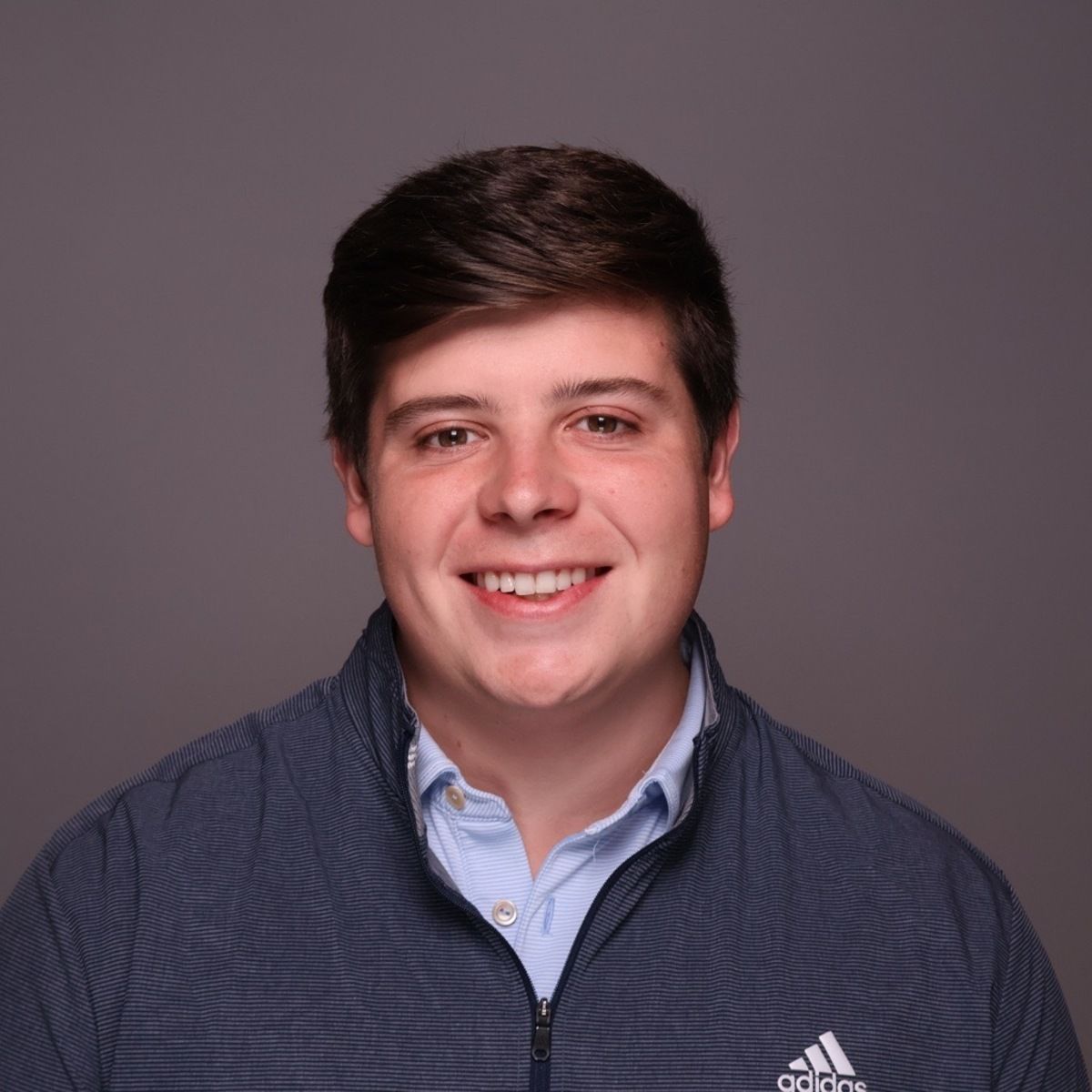
Meet Zachary Benjamin.
Zach didn’t head into college with dreams of a career in ticketing - not even close. In his own words: ticketing found him.
As a five-year student-athlete at Columbus State University, Zach majored in kinesiology and exercise science with the intention of becoming an athletic trainer. He completed nearly all of the coursework and prerequisites and heading into his senior year was fully committed to that direction. However, during that final year in a sports administration class, he began to see athletics from a different angle. He got a deeper look into the infrastructure supporting student-athletes academically, operationally, and financially and the wheels started turning.
So he pivoted, leading to his enrollment in the University of Georgia’s masters program in sports management. Still exploring where he fit into the business side of sports, he began searching for an internship, hoping to gain some clarity while fulfilling his program requirements. He began cold emailing bowl game executives across the state, and to his surprise almost immediately received an answer. One of his emails had reached the Executive Director of the Celebration Bowl, the HBCU national championship game operated by ESPN Events, and after a great conversation, Zach was offered an internship role, joining a small but mighty team of four responsible for delivering a nationally televised bowl game.
To put it bluntly, the experience was demanding. Marketing, sponsorship fulfillment, ticketing, team operations, game operations, ancillary events. There was nothing that fell outside of the job description. With such a small staff, everyone had their hands in everything. But those long days gave Zach a broad operational foundation and helped him understand how major events come to life behind the scenes. The experience was invaluable.

Zach’s Career Path
After completing his internship and graduating with his masters, Zach returned to Athens for an entry-level ticket operations role at the University of Georgia, an opportunity facilitated by a professor who believed in him and was willing to advocate on his behalf. Coming out of his internship, Zach had gained ticketing experience, but it still wasn’t something he was targeting. At this point it was simply the opportunity in front of him. But instead of treating it as temporary or a stepping stone, he leaned in. He learned systems, pricing structures, scaling strategies, and the operational discipline required to manage high-demand collegiate events.
When he began looking for his next opportunity, the hard work paid off. Two supervisors from Georgia’s ticket office reached out to the hiring team at Clemson to vouch for him, and their recommendation helped open the door for Zach to step into a larger role within one of the most recognizable athletic departments in the country (my alma mater, no bias here…). He made the leap to Clemson just before the COVID hiring freeze in early 2020. Within weeks of accepting the role, college athletics shut down. For the first six months, he barely saw his coworkers in person. It was an unconventional start, but he still found a way to push his career forward. During his time with the program he progressed into a director-level position overseeing assistant directors and student staff, managing ticket operations and systems for one of the most recognizable brands in college athletics.
After five years at Clemson developing his leadership and operational experience, Zach was presented with a new opportunity. A former supervisor from Clemson reached out about a role with the Charlotte Sports Foundation, an organization responsible for bringing some of the largest sporting events in the region to life. The position offered something different from the traditional university model he had grown accustomed to, and the challenge intrigued him.
At Clemson, demand was relatively predictable. The fan base was established, and the rhythms of the athletic calendar were well understood. At the Foundation, every event brings a different audience, a different pricing strategy, and a different set of operational considerations. Forecasting attendance, scaling venues, and managing ticket allocations requires a different mindset, one that blends the operational discipline of college athletics with a more entrepreneurial approach to event management.
The work is also incredibly impactful. In 2025 alone, Charlotte Sports Foundation events generated $118.25 million in economic impact for the city, welcomed more than 362,000 fans, and produced over 74,000 hotel room nights for the region. The organization’s events portfolio continues to grow, all while contributing more than $950,000 to charitable initiatives across the community since its inception.
What is Ticket Operations?
Ticket operations is responsible for the systems, strategy, and logistics that make it possible for fans to attend sporting events. While ticket sales teams focus on generating revenue, ticket operations teams handle the technical and operational side of the process. That includes building events in ticketing platforms, scaling stadium and arena seating maps, managing pricing structures, coordinating ticket allocations for teams and sponsors, and ensuring every seat in the venue is properly accounted for. It is a detail-oriented role that requires strong organization, problem solving, and an understanding of how ticketing technology powers the fan experience.
At the collegiate and event level, ticket operations also serves as the connective tissue between multiple stakeholders. Teams, conferences, sponsors, donors, and the general public all have different ticket needs, and operations teams are responsible for making sure those allocations are accurate and executed smoothly. Whether managing season ticket renewals for a university or coordinating school allotments for a championship event, the goal is the same: create a seamless system that supports revenue generation while ensuring fans can access the events they care about most.
As Associate Director of Ticketing, Zach works at the intersection of operations and revenue generation across that portfolio. His responsibilities range from managing school allotments for events like the ACC Men’s Basketball Tournament (tipping off this week!) to supporting ticket strategy for owned properties including the Duke’s Mayo Bowl, the Ally Tip-Off, and other events the Foundation brings to Charlotte each year. It is a role that requires precision, collaboration, and the ability to solve new challenges with each event cycle.
Throughout Zach’s journey, one constant has continued to reveal itself: relationships.
Professors opened doors early in his career. Supervisors advocated for him during key transitions. Leaders he worked for became champions of his work and helped position him for the next opportunity. The roles themselves were earned, but the doors often opened because someone trusted him enough to make the introduction.
For students and young professionals entering the industry, that lesson is one worth holding onto. You might not know exactly what role you want when you start. But if you work hard, build genuine relationships, and focus on making an impact wherever you are, the path has a way of taking shape. In Zach’s case, that path has led him to play a role in shaping one of the fastest growing sports cities in the country. Charlotte is in good hands.
Q&A: Building a Career in Ticket Operations with Zachary Benjamin

Q. How did your experience as a collegiate student-athlete shape the way you approach your career in athletics today?
A. Being a collegiate student-athlete tests many skills that translate over to a career in athletics. As a student-athlete, you’re faced with early morning and late nights. So, building good habits of time management is important. I think it also prepared me with the tools to be a leader. Being a leader does not always mean being up front but also being in a servant leadership role. I was fortunate enough to serve on the Student-Athlete Advisory Committee (SAAC) at Columbus State for two years. Finally, I believe that experience gave me a purpose to provide the best experience possible for any student-athlete I cross paths with.
Q. Your internship with the Celebration Bowl came from a cold email, but you’ve also had mentors and supervisors vouch for you at almost every major transition. How important have relationships been in your career, and how should young professionals think about building real rapport beyond basic networking?
A. It has been extremely important for my career. I have been fortunate enough to have countless, well-established professionals take me under their wing and learn from them. I would recommend any young professional to never be afraid to reach out and connect with someone who is in a position you aspire to be in one day. Life is all about building relationships. I will say the sport industry is full of great people who love to help the next person.
Q. You’ve worked in ticketing at a major university and now for a city-based foundation that hosts and owns multiple events. What’s different about operating at the foundation level, and what excites you most about the impact it has on the city of Charlotte?
A. Great question! Coming from a major university, you start to really know/understand your audience, especially for sports such as football. One thing that really attracted me to CSF is the “entrepreneurial” aspect. The events that we own/operate bring challenges that I have not faced before; however, it is something that I embrace and look forward to. Charlotte is an amazing city with a lot to offer. So, being a part of that economic impact is special and brings a new purpose to my “why”.
Key Takeaways
1. Find your mentors
Behind nearly every career breakthrough is someone willing to advocate on your behalf. Professors, supervisors, and colleagues who believe in your work can help open doors that would otherwise stay closed. Focus on building genuine relationships with people you respect and trust. Over time, those relationships can become one of the most valuable assets in your career.
2. You don’t have to have it all figured out
Zach entered college planning to become an athletic trainer and did not discover sports administration until his senior year. Many careers in sports develop the same way. The path often becomes clearer as you gain experience, test different roles, and learn what energizes you most. Stay curious, take opportunities seriously, and allow your interests to evolve.
3. Don’t be afraid of the next challenge
Each step in Zach’s career came with a new level of responsibility, from running operations for a bowl game as the only intern to managing ticket operations for major college athletics programs and city-wide events. Growth rarely comes from staying comfortable. Taking on new challenges, even when the role feels unfamiliar, is often what accelerates development the most.
Feeling Inspired? Check out these opportunities.
Closing Thoughts
Thank you for reading this week’s edition of So You Want to Work in Sports. I appreciate you being part of this community.
If you have ideas, feedback, or future guest suggestions, feel free to reach out at [email protected].
If you want more hands-on support as you navigate the start of your career within sports, book a 1:1 session with me here. The sooner you start preparing, the more confident you will feel when opportunities come your way.
Win the week!
-Ethan
Feel Better, Without Overthinking It

Most of us don’t need a complicated routine. We just want to feel good, stay energized, and not think too hard about it.
AG1 Next Gen is a clinically studied daily health drink that supports gut health, helps fill common nutrient gaps, and supports steady energy. One scoop in cold water replaces a multivitamin, probiotics, and more, so your routine stays simple.
Start your mornings with AG1 and get 3 FREE AG1 Travel Packs, 3 FREE AGZ Travel Packs, and FREE Vitamin D3+K2 in your Welcome Kit with your first subscription.