In partnership with


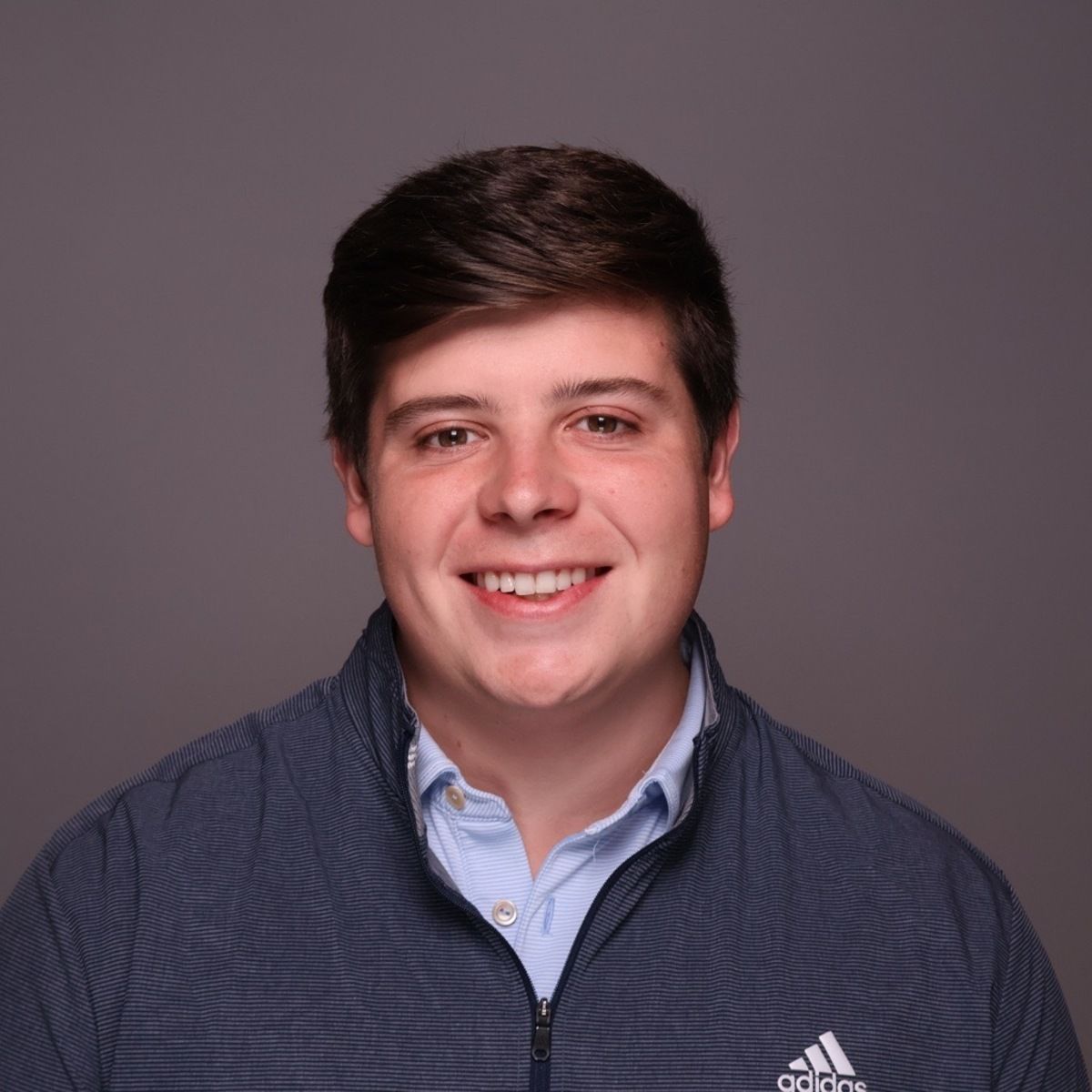
Meet Michael Coggeshall.
Michael works in brand partnership management for a global esports organization, ESL FACEIT Group, supporting partners across properties including the Call of Duty League and DreamHack. His role centers on client services and partnership delivery, ensuring brands receive the assets they are contractually entitled to across broadcast, in-venue signage, social, and reporting. On the surface, it looks a little different from traditional sports roles. In practice, it requires many of the same skills: organization, anticipation, and the ability to manage relationships across multiple internal and external stakeholders.
Michael’s story begins at the University of South Carolina.
He chose South Carolina specifically because of its sports management program, one of the most respected in the country. From the beginning, the program emphasized realism over glamour. Students were told directly that working in sports would likely mean longer hours and slower financial growth early in their careers. That tone scared many off, but for Michael it shaped his expectations and pushed him to focus on building the experiences that would help him progress in the industry.
As a freshman, Michael secured the opportunity to work The Masters through the University’s relationship with the tournament (one of the coolest programs in sports - you can read more about it here). It was a dream opportunity, but the role was still competitive and demanding. Days started before sunrise and stretched well into the evening, and the standard for professionalism was non-negotiable. For a first-year student, it was an immediate introduction to how seriously elite sporting events operate. More than just a line on the resume, The Masters taught Michael and the other students invaluable lessons on the importance of showing up consistently, managing the long hours associated with the industry, and operating within a tightly controlled environment.

Michael’s Career Path
Michael's second year of college was disrupted by COVID, but Michael found a way to keep progressing. Rather than waiting for hiring to resume after the pandemic, he participated in a structured partnership between South Carolina and the Columbia Fireflies, where students researched operational challenges and presented recommendations to the organization. His group focused on cashless venue models and international best practices. When fans eventually returned, the Fireflies implemented a cashless system, supported by the students' research. It was really cool to see his work come to life.
Moving into his Junior year, with COVID largely in the rear view mirror, Michael had the opportunity to return to The Masters in a leadership capacity, taking on assistant-level responsibilities and managing staff members much older than him. A challenging experience that forced Michael to flex a different skill set. It was no longer just about doing the job correctly, but about managing personalities, maintaining standards, and communicating clearly under pressure.
Coming out of The Masters, Michael was hunting for his next internship, eventually finding and taking a position in public finance. It sat outside of sports, which wasn’t necessarily ideal, but during a time when sports hiring remained inconsistent, he chose to broaden his business knowledge rather than pause his momentum. The selling factor was that the role gave him exposure to the economic mechanics behind the venues and events he had already experienced from an operational perspective.
The internship reaffirmed for Michael that sports was the path for him, and so he headed into senior year eager to take the final steps in making that dream a reality.
Another unique aspect of the program at South Carolina is the requirement to complete a full semester internship before graduation. Heading into his final semester, Michael joined Maestro Sports, which was acquired by Legends shortly after he began, to complete this requirement. In the role, he supported sales efforts for emerging and niche properties, cold emailing executives, building pitch decks, and helping position sponsorship opportunities to potential partners. The internship was unpaid and intensive, but it sharpened his communication skills and gave him direct exposure to sponsorship sales strategy which would be key in landing his first full time role.
Even with the internships and experiences he had stacked up doing college, Michael didn’t immediately land a role after graduation. He relocated to Charlotte and briefly worked in a sales role outside of sports while continuing to apply. Michael made it exactly 28 days in that role before he was far enough along into the sports interview process to comfortably walk away.
Shortly after turning in that resignation letter, his moment arrived and he was offered a position at Octagon.
What is Sports Partnerships?
Sports partnerships sit at the center of the business of sports. Brands invest in teams, leagues, tournaments, and events to reach audiences in a meaningful way, and partnership managers are responsible for making sure that investment delivers value. That includes negotiating and tracking contractual assets, coordinating broadcast and in-venue integrations, overseeing social and digital placements, managing reporting, and serving as the primary point of contact between the brand and the property. At its core, partnership management is about alignment. Understanding what the brand is trying to accomplish, translating that into execution across multiple channels, and ensuring the relationship is strong enough to renew year after year.
Esports operates on the same foundation. While the audience, distribution channels, and event formats may differ, the mechanics of partnership management are remarkably similar. Contracts still define deliverables. Brands still expect measurable performance. Events still require coordination across operations, content, and marketing teams. The difference lies in scale and cadence. Esports events often span global audiences, digital-first distribution, and extended planning cycles, but the fundamentals remain the same. Clear communication, attention to detail, and proactive relationship management drive success in both traditional and emerging sports ecosystems.
Octagon represented a crucial development phase for Michael. Working inside a leading agency exposed him to the pace and structure of large-scale sponsorship execution. Working within the experiences vertical, he learned how brands evaluate partnerships, how internal teams coordinate across departments, and how much of partnerships comes down to anticipating needs before they are explicitly stated. Over more than two years he worked on programs touching the NFL, NBA, MLB, NASCAR, and golf, refining his ability to manage stakeholders, balance competing priorities, and communicate clearly under pressure.
As he gained experience, he began to recognize that he was most energized by partnership management and client communication rather than pure event logistics, so when the opportunity presented itself to step into a global esports organization focused specifically on brand partnerships, he made his next leap.
Today, Michael works as a Junior Partner Manager at ESL FACEIT Group, supporting partnerships across large-scale esports properties while working with brands that expect measurable value and seamless execution. The fundamentals translate directly from traditional sports, with the primary difference lying in cadence and scope. Events are fewer but larger, planning cycles extend across months, and collaboration spans multiple time zones.
Michael benefited from exceptional early access. South Carolina opened doors, and working The Masters gave him exposure most students never experience before graduation. On paper, he had done everything right, yet even that was not enough to coast directly into a full-time role in sports. After college, when things didn't immediately go his way, he stuck with it, took a job outside the industry to support himself, and continued applying while trusting that the foundation he built would eventually create an opening. He always kept pushing towards the goal, and when the opportunity at Octagon came, he was ready.
That's how you turn a dream into reality.
Q&A: Building a Career in Esports Partnerships with Michael Coggeshall

Q. There’s always a big debate between majoring in sports management versus choosing a more general business degree. You attended one of the top-ranked sports management programs in the country. How did that program specifically set you up for success, and what advantages did it give you early in your career?
A. Right off the bat, it immediately helped manage expectations. Most people, myself included, were drawn to sports management programs out of a genuine passion for the industry (how many people can say that about accounting?), with big dreams of becoming the next great agent or GM. One of the first things the program did was show us the reality of the industry and what to realistically expect — and honestly, they weren't wrong. This approach could be disheartening for some, but it is necessary in my opinion. My broader advice is that you can always pursue both, and there's more overlap between sports management and a general business degree than most people realize. Ultimately, follow your heart and pursue your passion.
Q. After graduation, you had a three to four month stretch where you hadn’t landed a sports job yet and were working outside the industry. What would be your advice to students who don’t secure a role immediately after college and feel like they’re falling behind?
A. It's cliché, but comparison is the thief of joy, and I've found that to be true throughout my post-grad life. Everyone is running their own race at a different pace. In situations like mine, that gap period actually made landing a role in the industry mean that much more. In the grand scheme of a career, three or four months is nothing. Go work the job you need to work to pay the bills — I did, for exactly 28 days — and let it light a fire under you. It only allows the hunger to drive you toward something you love that much greater, preventing you from taking it for granted once you get an opportunity.
Q. For students who want to work in brand partnerships within esports, what skills matter most in your role today, and what can they be doing right now to position themselves for opportunities in that space?
A. Attention to detail and proactiveness are, by far, the two biggest differentiators. Both are transferable across every job you'll ever take, but they're especially critical in fast-paced industries like traditional sports and esports. If you can consistently anticipate a partner's problems and needs before they even recognize them, and couple that with the ability to find effective solutions quickly, you'll be highly sought after. Apply this to any internship or summer job just to get familiar (particularly proactivity, as that can't be taught in a classroom). People will naturally look to you for solutions, which will place you in the best position as you begin your career.
Key Takeaways
1. Make the Most of Every Opportunity
Not every step in your career will look exactly how you planned it. COVID disrupted internships. A finance role sat outside sports. A short post-grad sales job was not the end goal. Michael could have viewed any of those as setbacks. Instead, he used each one to build a skill, expand his understanding, or buy time while continuing to push toward the industry. Momentum does not require perfect circumstances. It requires intention.
2. Diversified Experience Is an Asset
Early in his career, Michael worked live events, researched stadium operations, learned public finance, supported sponsorship sales, and executed agency partnerships before landing in esports. None of those experiences were wasted. Each one added context and perspective that now informs how he manages global brand relationships. The broader your exposure early on, the more adaptable and valuable you become over time.
3. Understand Where You Add the Most Value
Octagon provided a strong foundation in sponsorship execution and client services. Through that experience, Michael learned what energized him most: managing relationships and delivering partnership value. That clarity helped him pursue a role aligned with his strengths rather than staying comfortable. Career growth is not just about gaining experience. It is about recognizing where you can make the greatest impact and moving accordingly.
Feeling Inspired? Check out these opportunities.
Closing Thoughts
Thank you for reading this week’s edition of So You Want to Work in Sports. I appreciate you being part of this community.
If you have ideas, feedback, or future guest suggestions, feel free to reach out at [email protected].
If you want more hands-on support as you navigate the start of your career within sports, book a 1:1 session with me here. The sooner you start preparing, the more confident you will feel when opportunities come your way.
Win the week!
-Ethan
Want more from Michael?
Connect on LinkedIn
Feel Better, Without Overthinking It

Most of us don’t need a complicated routine. We just want to feel good, stay energized, and not think too hard about it.
AG1 Next Gen is a clinically studied daily health drink that supports gut health, helps fill common nutrient gaps, and supports steady energy. One scoop in cold water replaces a multivitamin, probiotics, and more, so your routine stays simple.
Start your mornings with AG1 and get 3 FREE AG1 Travel Packs, 3 FREE AGZ Travel Packs, and FREE Vitamin D3+K2 in your Welcome Kit with your first subscription.