In partnership with


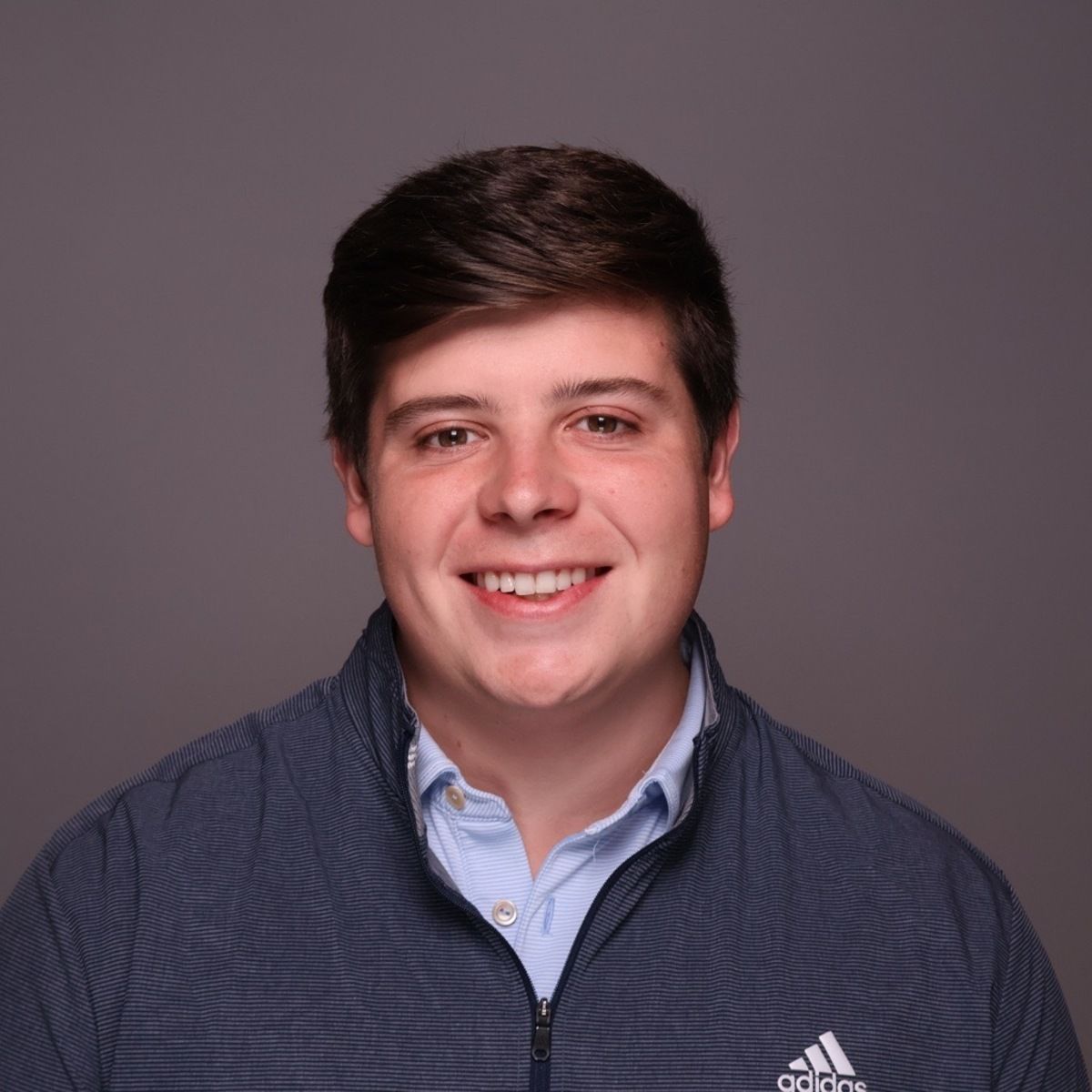
Meet Ben Chase.
Ben Chase is the Director of NIL for the Florida Gators. In under four years in the industry, he has helped build one of the most respected NIL programs in college athletics and in 2025 was named NIL Director of the Year by NIL Store. He works across all sports on campus, touching everything from licensing and brand deals to recruiting support and athlete development.
But Ben’s path into NIL did not start in college athletics, or even in college at all.
It started at Walt Disney World.
Ben grew up in Orlando and began working at Walt Disney World at a young age, like many in his family. It was a job he genuinely enjoyed and took pride in, one he worked from high school through college, but also one he knew was not the long-term future he wanted for himself.
At 21, Ben was sitting in a friend’s apartment, a friend who was in college at the time and working at Disney through the College Program, when they got into an honest conversation about where he was headed. His friend challenged him directly: if he was not happy, he had to do something about it. Ben took it to heart. Right there in her apartment, he pulled up the application and applied for college on the spot. It was the first time he truly took control of his own narrative, and it changed the trajectory of everything that came next.

Ben’s Career Path
He began his college journey at Valencia College, easing himself back into academics after several years away from school. After two years, and with a clear plan now in hand, he transferred to the University of Florida, earned his degree from the business school, and later headed to Washington, D.C. to attend law school at George Washington University.
Law school was challenging, and it also made one thing clear - Ben did not want to be a lifelong attorney.
After graduating and passing the bar, he worked at two law firms in Orlando, giving the profession a fair shot. But while the work was stable, it lacked purpose for him. He wanted to build something, not spend decades buried in case files.
In early 2020, an unexpected opportunity pulled Ben in a completely different direction. While still working as an attorney, he interviewed to serve as a chief of staff–type role for a major YouTuber with millions of subscribers. He flew to Los Angeles, met with the team, and saw firsthand what that world looked like. During one meeting, the creator turned down a $40,000 meet-and-greet on the spot, a moment that made it clear just how real and fast-moving the opportunity was. The role would have required Ben to relocate to Los Angeles later that year, and for the first time, he could clearly see a life outside of law taking shape.
Then COVID hit. Within days, the world shut down, plans unraveled, and the opportunity disappeared entirely.
Instead of retreating, Ben pivoted.
In October 2020, Ben took a deliberate shot. He followed the founder of an emerging NIL company on Twitter and noticed the follow back almost immediately. Instead of launching into a long pitch in the DMs, he kept it simple. His first message was short and direct, expressing interest and asking to continue the conversation over email.
Once he had the email, Ben went to work. He followed up with a detailed message and a five-page document outlining how he believed the company could grow, including ideas around media, regional expansion, and athlete storytelling. It was not a résumé submission. It was a point of view.
Thirty days later, he was hired. That single, little DM launched Ben’s career in NIL, before the industry had even fully taken shape.
Ben helped scale the company from a tech platform into a full-service NIL operation, working with multiple schools and building the foundation of what would become a rapidly evolving industry. After nine months, he left to do something few would consider practical.
He went on the road.
What is an NIL Director?
An NIL Director is responsible for building, managing, and executing name, image, and likeness strategy for a college athletic department. The role sits at the intersection of compliance, marketing, partnerships, athlete development, and recruiting. NIL leaders work with athletes to identify opportunities, educate them on brand partnerships, and support deal execution. They collaborate with sponsors, collectives, licensing teams, compliance offices, and coaches to ensure NIL efforts align with institutional goals and NCAA guidelines.
The role often requires wearing many hats. One day might involve reviewing contracts and brand deliverables. The next might include meeting with recruits and their families, supporting donor events, launching merchandise initiatives, or helping an athlete plan for life after sport. The space moves fast. Regulations evolve. Expectations shift. NIL Directors who succeed are adaptable, proactive, and deeply athlete focused.
In a 2017 Dodge Grand Caravan named Betty White, Ben attended 77 college football games in one season, driving coast to coast, creating content, studying how different programs approached branding, merchandising, and fan engagement. It was part passion project, part market research, and part leap of faith.
During the road trip, Ben applied for the Director of NIL role at his alma mater. After interviewing from McDonald’s parking lots and student unions across the country, Florida offered him the job. He finished the road trip, then returned home.
He has been there ever since.
Since arriving in Gainesville in January 2023, Ben has built NIL infrastructure across every sport, helped Florida become the first school to get 100 percent athlete participation in EA Sports College Football, expanded international NIL opportunities, supported licensing and merchandise initiatives that ensure entire teams are compensated, and worked directly with athletes to help them think beyond college.
He does it without the biggest budget, without a large staff, and with a mindset rooted in service.
Ben describes his role simply. If it moves the needle for his athletes, it matters. Best. In. Class.
Q&A: Landing a job in NIL with Ben Chase

Q. You were named NIL Director of the Year in 2025 after less than four years in the industry. What has allowed you to make such a significant impact in such a short amount of time?
A. I don’t think an award like that has anything to do with how much I “know” about NIL, or being an “expert”, as much as having the ability to serve every stakeholder in the industry to the best of your ability, and just be as honest as you can. This role, and most roles in the NIL space, have a lot of burn-out. I know many personal friends that have gotten out of the NIL space because of the chaotic hours, lack of stability, and failure to feel they’re making an impact. I don’t believe I’m the smartest person in the NIL space, or the “best”, I just try to be genuine, work hard, and add value. It probably helps that I have been in the space now for over four years, and have been here at Florida for almost three. The work I do is a culmination of the people I talk to daily in the NIL space, and the athletes I get the honor and pleasure to work for and with here at UF. I wouldn’t have a job without them and keeping that top of mind is what makes me do everything I can for them daily.
Q. While law school isn’t a formal requirement for your role, how has your legal background shaped the way you operate in NIL? And for students considering this career path, is a law degree something you’d encourage them to pursue?
A. I personally wasn’t the best law student, but I do believe the discipline both of putting in the work in law school, and studying for the bar exam, is what at the end of the day has been the most transferrable skill to what I do now. Working in college sports, specifically working in a position that has touch points with every team on campus, puts you in a position where you don’t really have an offseason. Which is great because I’m blessed to be busy. But with no offseason, that means that your mailbox is always full, your texts messages are always unread, and your DMs are always pinging. Being able to sit down at your computer and just cutting out distractions to respond for hours about every possible opportunity for my athletes.
Trying to coordinate things on the fly, on 24 hours-notice just to get an athlete an extra $500. It takes discipline and focus in a time of instant gratification and short attention spans. For student considering going into law, considering law school, I think the most important thing is trying to find your “why” before you enroll. 70% of students that go to law school, don’t have a clue what they want to do when they enroll. This lack of a carrot can lead to almost immediate thoughts once you’re a law student of “why am I even here”, “what am I doing?”
If you can go in with one or two goals, find a clinic at the school you’re interested in, and try to pursue that. Learn ahead of time what a “journal” is, and what it means to be on a journal, and the work it requires. Find one or two “end games”, and reverse engineer how to get there by going to law school. If you don’t know exactly what you want to do, go into law school with the goal of simply dominating the first two semesters. If you can do that, you will set yourself up for being able to get an internship almost anywhere you’d like, and that will unlock even more opportunities.
Q. As NIL continues to evolve, from revenue sharing to schools operating more like businesses, what skills or mindsets do you think young professionals will need to succeed in the next era of the industry?
A. Life is all about sales. In this new era, if you’re able to find ways to drive new revenue, that moves the needle. That will set you apart. Being flexible and open to change, and not being afraid to bring unique ideas to conversations. Just because it hasn’t been done before, doesn’t mean we can’t do it now. In the world of revenue sharing, and salary caps, finding “above the cap” dollars to recruit and retain the next generation of college stars is arguably the most impactful thing someone can bring to a college athletic department in 2025 and beyond.
Key Takeaways
1. Your path does not need to be linear
Ben went from Disney to community college to law school to NIL. Each step added a new skill and perspective. There is no single blueprint for breaking into sports.
2. Create your own opportunities
A cold DM and a five-page document started Ben’s career. Waiting for the perfect opening is optional. Initiative is not.
3. Pedigree matters. Passion wins.
Ben’s legal background gave him credibility, but his impact comes from how much he cares about his athletes and his school and how hard he works for them. You can’t beat passion.
Feeling Inspired? Check out these opportunities.
Closing Thoughts
Thank you for reading this week’s edition of So You Want to Work in Sports. I appreciate you being part of this community.
If you have ideas, feedback, or future guest suggestions, feel free to reach out at [email protected].
If you want more hands-on support as you navigate the start of your career within sports, book a 1:1 session with me here. The sooner you start preparing, the more confident you will feel when opportunities come your way.
Win the week!
-Ethan
AI that works like a teammate, not a chatbot

Most “AI tools” talk... a lot. Lindy actually does the work.
It builds AI agents that handle sales, marketing, support, and more.
Describe what you need, and Lindy builds it:
“Qualify sales leads”
“Summarize customer calls”
“Draft weekly reports”
The result: agents that do the busywork while your team focuses on growth.