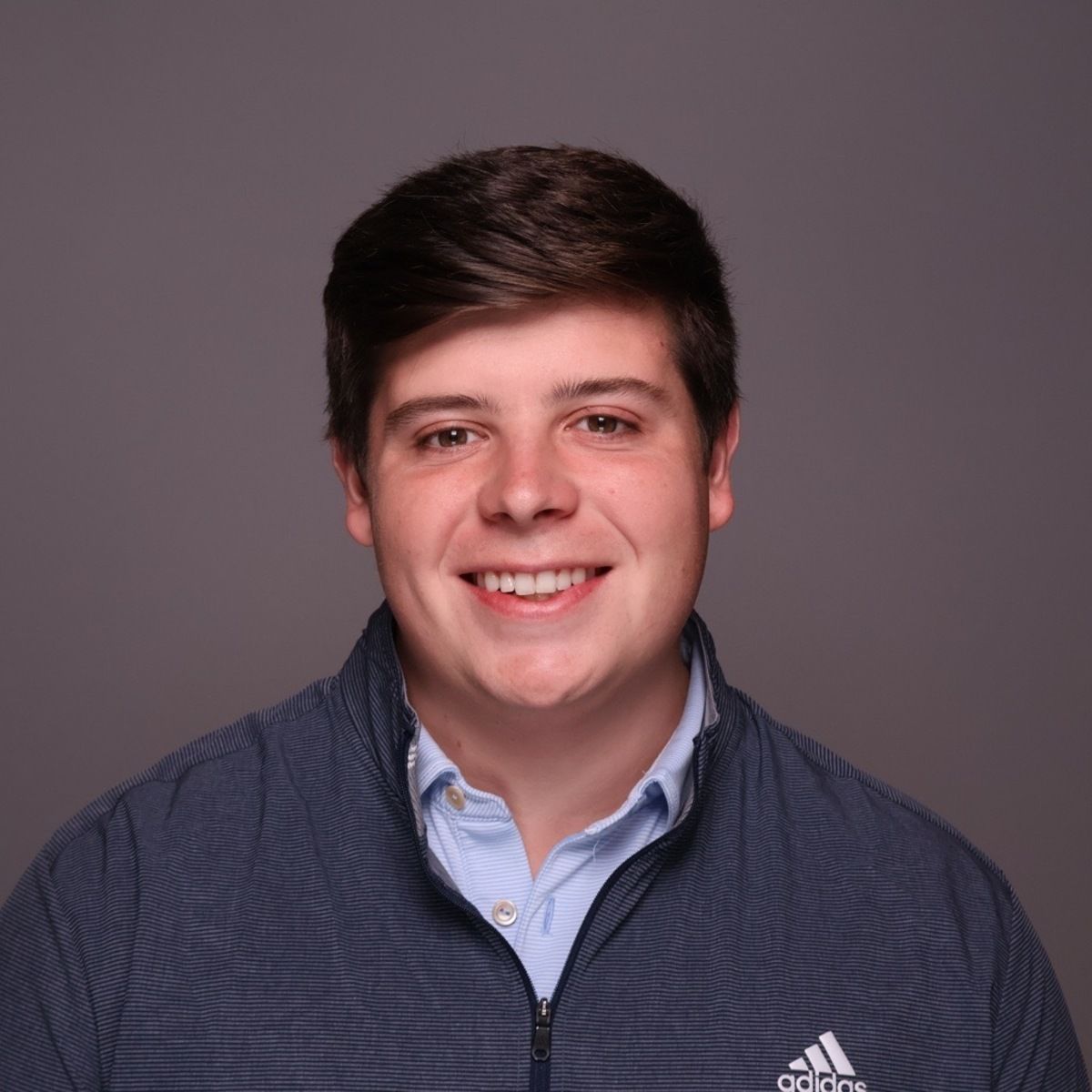

Meet David Paro.
You will be hard pressed to find a more impressive resume in the world of sports partnerships and marketing than David’s. His career has included clients such as Staples and Anheuser-Busch, an in-house stint working on McDonalds sports portfolio, a SBJ 40 under 40 recognition, and eventually the founding of his own agency.
David’s story starts like most - heading to college, Wake Forest specifically, to pursue broadcasting, but without a concrete plan on where the major was going to take him. The passion for sports was there, which led to a friend introducing him to an opportunity with the Sports Information Department (SID). He started as an assistant, working the press box at football and basketball games, and by his junior year was the head student assistant, still contributing to the marquee sports, and also managing coverage for tennis and golf - two programs that were particularly strong at Wake.
The pay was modest ($2.25/hour) and the position required sacrifice - early Saturday mornings, working the games instead of attending with friends, you get the picture. However, it laid the foundation for his future success, inspired his professional direction, and gave him “unbelievably cool experiences.” Worth it.

David’s Career Path
It is important to acknowledge that David wasn’t simply going through the motions during his internships at Wake. He excelled at his work and prioritized networking with the other SID’s across the ACC. His efforts were rewarded with a post grad internship in Media Relations with the ACC. One year later, he had his first full time role as an Assistant SID Director at DePaul University. He spent two years with the university, playing in Chicago’s major media market, but when the athletic department underwent leadership changes, he faced a career crossroad: pursue the head SID job, or pivot toward a new area of focus.
In pursuit of a new challenge, David took a position at N.W. Ayer, a top advertising agency, where he worked within the PR division. He grew quickly, led by a boss who encouraged him to speak up and contribute ideas. A lasting lesson was formed, “When you have the opportunity to speak up, make sure you have something valuable to say, because those chances don’t come often.” The experience led to an opportunity at Frankel, where he worked his way up to Director of Sports Marketing. Focusing on activation programs, brand marketing, client service, and the business side of creative work, David learned quickly under the leadership of industry veterans including Jeff Knapple, David Allen, Tom Valdiserri, and founder, Bud Frankel. Remember those names.
David’s reputation grew, leading to a call from McDonalds, a Frankel client, seeking to hire him to oversee their motorsports portfolio. He took the leap and excelled, eventually earning a promotion to oversee their U.S. Sports Alliances. After 4 years with the Golden Arches, David was recruited again by Jeff Knapple (I told you to remember those names) to move to Washington DC and join ProServ, a rising agency in the space. David contributed to the rapid growth of the agency, which eventually rolled up into SFX Sports Group and finally Clear Channel Entertainment. He was recognized for his role in the agency’s growth with a spot on Sports Business Journals 40 under 40 list, cementing himself as an industry leader.
After four years with the agency, David headed home to Chicago with his family, prepared to take the next bold leap - founding his own agency, Deep Alliance. He envisioned it as a boutique consultancy, offering clients senior level expertise without big agency overhead. He tapped into his network of former clients and was able to land McDonald’s, Staples, and Chicagoland Speedway in the agencies early days. The lesson: there is nothing more valuable than trust and relationships.
What is Brand Marketing?
At its core, brand marketing is more than placing a logo on a jersey or sponsoring an event - it’s telling a brand’s story through sport. The goal is to build authentic connections between what a company stands for and what fans are passionate about.
Brand marketers work to ensure every partnership, campaign, and activation aligns with the company’s values and visual identity. That can include sponsorship strategy, creative development, campaign execution, media planning, or experiential marketing - all designed to make the brand feel part of the fan experience, not just an advertiser within it.
For professionals in sports, careers in brand marketing combine creativity and business strategy. You’ll collaborate with agencies, athletes, and rights holders to bring brand stories to life on some of the world’s biggest stages.
David operated Deep Alliance for more than a decade, building a five-person team that allowed him to stay personally involved in the client work. Then, a chance meeting with Jeff Knapple (I told you) in New York led to David joining Van Wagner to lead the companies consulting practices. David spent 2 years with Van Wagner before returning to Deep Alliance to continue his previous work.
Over the past 10 years, David has had one other stint away, moving in house at MoneyGram International, a Deep Alliance client, as the Head of Global Sponsorship, before once again returning to his agency. Currently, he is focusing on his brand marketing and motorsports experience; building from his network across agencies.
In addition to Deep Alliance, David has also joined sports marketing industry veteran Tim McGhee in launching a podcast, “Wait, What? Sportsbiz Chat with DP & McGhee.” The two release weekly episodes tackling the issues facing the sports business from a unique perspective, backed by their sports business pedigree.
Q&A: Landing a job in Sports Partnerships & Marketing with David Paro

Q. You have been recognized as a top sponsorship-marketing strategist, earning a spot on SBJ’s 40 under 40 list early in your career. What skills and mindset would you attribute to earning that recognition?
A. Being named to SBJ's Forty Under 40 was a true honor. While individual recognition is gratifying, I’ve always viewed it as a reflection of several factors aligning perfectly. My selection was ultimately the result of a reputation for strategic excellence I had cultivated in the industry, combined with an unprecedented period of growth and innovation at SFX Sports.
We were managing some tremendous, high-profile business, including the pioneering STAPLES Center deal in Los Angeles. Crucially, I was surrounded by an incredible team of future sports business leaders. Their dedication, coupled with SFX making significant waves in the industry at the time, allowed us to execute breakthrough work on behalf of our clients.
I attribute the recognition to the collective success of our team, my established track record as a strategic leader, strong negotiator and creative thinker, and the sheer scale and impact of the projects we were delivering.
Q. Whether it be at your own agency or in-house with a brand, what are some qualities you look for when hiring junior employees?
A. Intense curiosity, a desire to be great, confidence tempered with humility, resourcefulness.
Q. What is your advice to young professionals who ultimately want to pursue entrepreneurship within sports? What does it take to make the leap?
A. There is nothing wrong with thinking through your entrepreneurial idea(s) while still working within another firm, as long as it's not negatively affecting the work you are being paid for. Get as much advice as possible from people that have gone down a similar path, and be sure to consider the worst case scenarios. It's imperative to develop a service offering or idea that has an identifiable market. Sure, you need the confidence and the business development skills, but it's important to develop an articulable pitch for a targeted audience before actually making that leap.
Key Takeaways
1. Relationships compound over time.
From his Wake Forest mentors to repeat collaborations with Jeff Knapple and McDonald’s, David’s career shows how staying connected can create opportunities decades later. Many of his biggest breaks - including his positions at ProServ, Van Wagner, and MoneyGram, and the building of his business at Deep Alliance - came from people he’d worked with years before.
2. Don’t back down from the next challenge.
Each career move, whether from college athletics to PR, agency work to brand-side leadership, or eventually traditional work to his entrepreneurial endeavors, came from a willingness to try something new before it felt fully comfortable. That courage and eagerness to take on the next challenge became a defining theme for David’s success.
3. Success doesn’t always mean scale.
After leading large agencies, he built Deep Alliance to stay close to the work he loved - strategy, creativity, and relationship-building. His choice to stay boutique was intentional, proving that growth can mean refinement, not just expansion.
Feeling Inspired? Check out these opportunities.
-Careers - Van Wagner (Internship Opportunity Open!)
Closing Thoughts
A heartfelt thank you for reading through this edition of So You Want to Work in Sports… It means the world to me.
If you have any feedback, a guest recommendation, would like to be featured yourself, or have any questions, please email me at [email protected].
Win the week!
-Ethan
Want to hear more from David?
David’s Podcast
Business Inquiries